

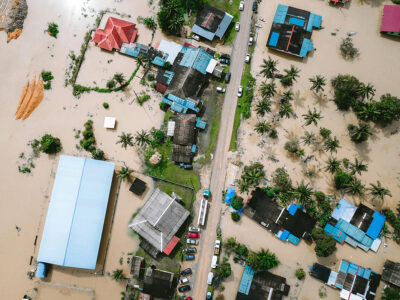
If you’ve lost your home, property or business to a natural disaster, knowing what to do next can be daunting. The good news is there’s help available to help you navigate the recovery process.
The Federal Government and state and territory governments work together to provide support where natural disasters have been declared. Visit the National Emergency Management Agency website for links to state or territory disaster recovery websites.
Disaster assistance payments may be available in officially declared disaster events. The Australian Government Disaster Recovery Payment (AGDRP) is a one-off non-means tested payment of $1,000 per eligible adult and $400 per child, while the Disaster Recovery Allowance (DRA) provides short-term income support for up to 13 weeks to eligible individuals.
Contact your insurance company as soon as you can, ideally within 24 hours. Most insurers have emergency hotlines and may offer emergency cash advances within days or temporary accommodation funds if your home is uninhabitable. If you’ve lost your policy documents, the Insurance Council of Australia can help you identify them.
Major Australian banks have hardship teams that can pause loan repayments, waive fees or temporarily extend credit. Don’t wait until you’ve missed a payment – early communication protects your credit rating and opens doors to assistance.
Don’t fall prey to disaster chasers
“Disaster chasers” are individuals or companies who target areas hit by natural disasters. They typically approach through unsolicited door knocks, phone calls, text messages, letterbox drops or targeted online advertisements, claiming to offer quicker, cheaper or specialised repair services. While some offers may be legitimate, be wary of anyone who offers “today-only” deals, demands money upfront or immediate contract signing, asks you to sign anything that prevents direct communication with your insurer, or claims to be from your insurance company without prior notification.
Beware of donation scams
If you’re looking to help those affected, only make donations for disaster relief to reputable charities. For example, some state governments partner with organisations like GIVIT to support affected communities. Scammers often impersonate well-known charities through door-knocking or cold-calling, and create fake websites and social media pages to deceive you in the wake of a disaster. You can verify a charity’s registration on the Australian Charities and Not-for-profits Commission website, and report suspected scams to Scamwatch.
